
Essential Tips for Successful Dog Training Essentials
- rileykennelnfarm
- Mar 20
- 4 min read
Training a dog is one of the most rewarding experiences you can have. It builds trust, strengthens your bond, and helps your furry friend become a well-behaved member of your family. Whether you have a lively bird dog or a gentle companion, understanding the essentials of dog training is key to success. I’ve learned that patience, consistency, and clear communication are the cornerstones of effective training. Let me share some essential tips that have helped me and many others in Central Indiana create happy, obedient dogs.
Understanding Dog Training Essentials
Before diving into specific techniques, it’s important to grasp the basics of dog training essentials. Dogs learn best when training sessions are short, fun, and consistent. They respond well to clear commands and positive feedback. Here are some foundational points to keep in mind:
Start early: The sooner you begin training, the easier it is to shape good habits.
Be consistent: Use the same rules every time.
Use positive reinforcement sparingly: Reward good training sessions with treats, praise, or play.
Keep sessions short: Aim for 5-10 minutes, two to three times a day.
Be patient: Dogs learn at their own pace, so stay calm and encouraging.
Growth is not Linear: Build your foundation first.
By focusing on these essentials, you set the stage for successful training that lasts a lifetime.

Setting Up for Success: The Right Environment and Tools
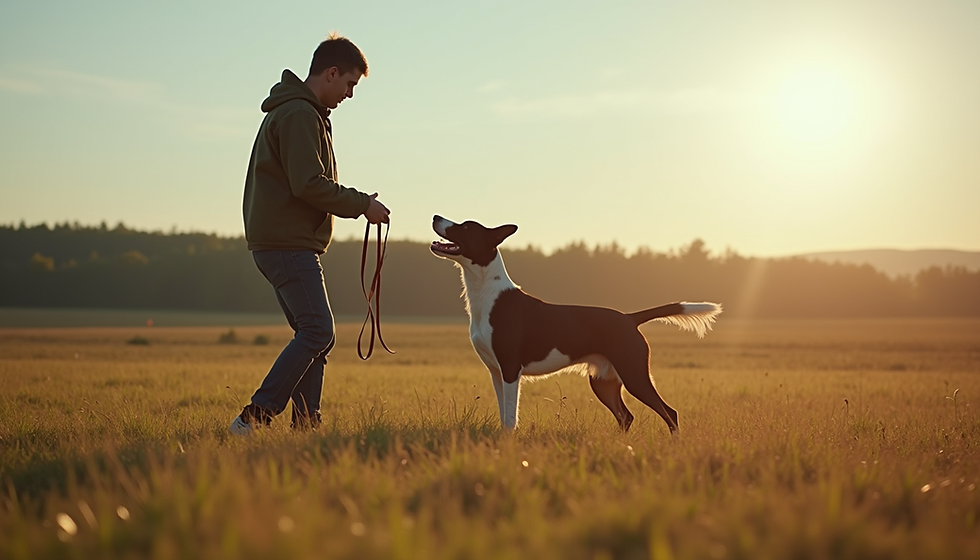
Creating the right environment is crucial for effective dog training. A controlled area with manageable distractions is needed for your training area. The world is not a quiet place so our training area shouldn't be a sterile environment. When training outdoors, choose a safe, enclosed area where your dog can’t run off. Indoors, clear away toys or items that might divert attention. Have your leash at hand it will be you greatest training aid.

Handling Challenges: Common Training Issues and Solutions
Training isn’t always smooth sailing. Sometimes dogs get distracted, stubborn, or anxious. Here are some common challenges and how to handle them:
Distractions: Gradually increase distractions during training. Start in a quiet room, then move outside with more noise and activity.
Biting or nipping: Redirect your dog’s mouth to a chew toy. Never use your hands as toys.
Jumping up: Turn away and ignore your dog until all four paws are on the ground, then reward.
Fear or anxiety: Use encouragement and avoid forcing your dog into stressful situations.
If you feel stuck, don’t hesitate to seek help from a professional trainer. Sometimes a fresh perspective can make all the difference.
Building a Strong Bond Through Training and Play
Training is not just about commands; it’s about building a relationship. Dogs respond best when they feel loved and understood. I always make sure to balance training with plenty of playtime and affection. This keeps your dog motivated and happy.
Try incorporating these ideas:
Use play as a reward: After a successful training session, spend a few minutes playing fetch or tug.
Practice training during daily routines: Ask for a “sit” before meals or “stay” before opening the door.
Be patient and positive: Celebrate small wins and keep a cheerful tone.
Learn your dog’s body language: Understanding when your dog is stressed or tired helps you adjust training accordingly.
By focusing on connection, you create a partnership that lasts a lifetime.
Taking the Next Step: Advanced Training and Specialized Bird Dog Skills
For those interested in specialized training, such as bird dog skills, it’s important to build on the basics with targeted exercises. Bird dogs require strong obedience, focus, and retrieval skills. Here are some tips to get started:
Practice steady commands: Teach your dog to hold position until released.
Work on recalls: Reliable “here” commands are essential in the field.
Use positive reinforcement: Reward your dog for calm, focused behavior during training.
If you want expert guidance, consider professional training programs that specialize in bird dogs. They can provide tailored advice and hands-on experience.
Training your dog well is a journey, but with the right approach, it’s a joyful one. Remember, every dog is unique, and success comes from understanding and patience. If you want to learn more about expert training and boarding options in Central Indiana, check out Riley Kennel & Farm. They are dedicated to helping dogs and their owners build strong, lasting bonds.
Keeping the Momentum Going: Tips for Long-Term Success
Training doesn’t end after the first few lessons. To keep your dog well-behaved and happy, ongoing practice is essential. Here are some ways to maintain progress:
Practice commands daily: Even a few minutes a day keeps skills sharp.
Introduce new challenges: Change locations or add distractions to test your dog’s focus.
Stay positive: Avoid punishment; instead, redirect unwanted behavior.
Socialize your dog: Exposure to other dogs and people helps build confidence.
Schedule regular check-ins: Consider refresher classes or group training sessions.
By making training a regular part of your life, you ensure your dog remains a joy to be around for years to come.
Training your dog is a wonderful way to deepen your connection and enjoy life together. With these essential tips, you’re well on your way to success. Keep it fun, stay patient, and celebrate every step forward. Your dog will thank you with loyalty and love.


Comments